

Мастерская художника — от работы до зрителя и покупателя
Загрузите работы, соберите серии, сделайте свою страницу и посты для соцсетей. Юми, ИИ-арт-наставник, помогает на каждом шаге: что держит взгляд, что показывать и в каком порядке, какую цену поставить.
Для художников, фотографов, скульпторов — всех, кто показывает и продаёт свои работы.
The artist's studio — from the work to the viewer and the buyer
Upload your works, build series, make your own page and posts for social media. Yumi, an AI art mentor, helps at every step: what holds the eye, what to show and in what order, what price to set.
For painters, photographers, sculptors — everyone who shows and sells their work.
Yumio работает в Telegram и пока открыт по приглашениям. Нет приглашения — бот подскажет, как попросить доступ. Yumio works in Telegram and is open by invitation for now. No invitation? The bot will tell you how to ask for access.
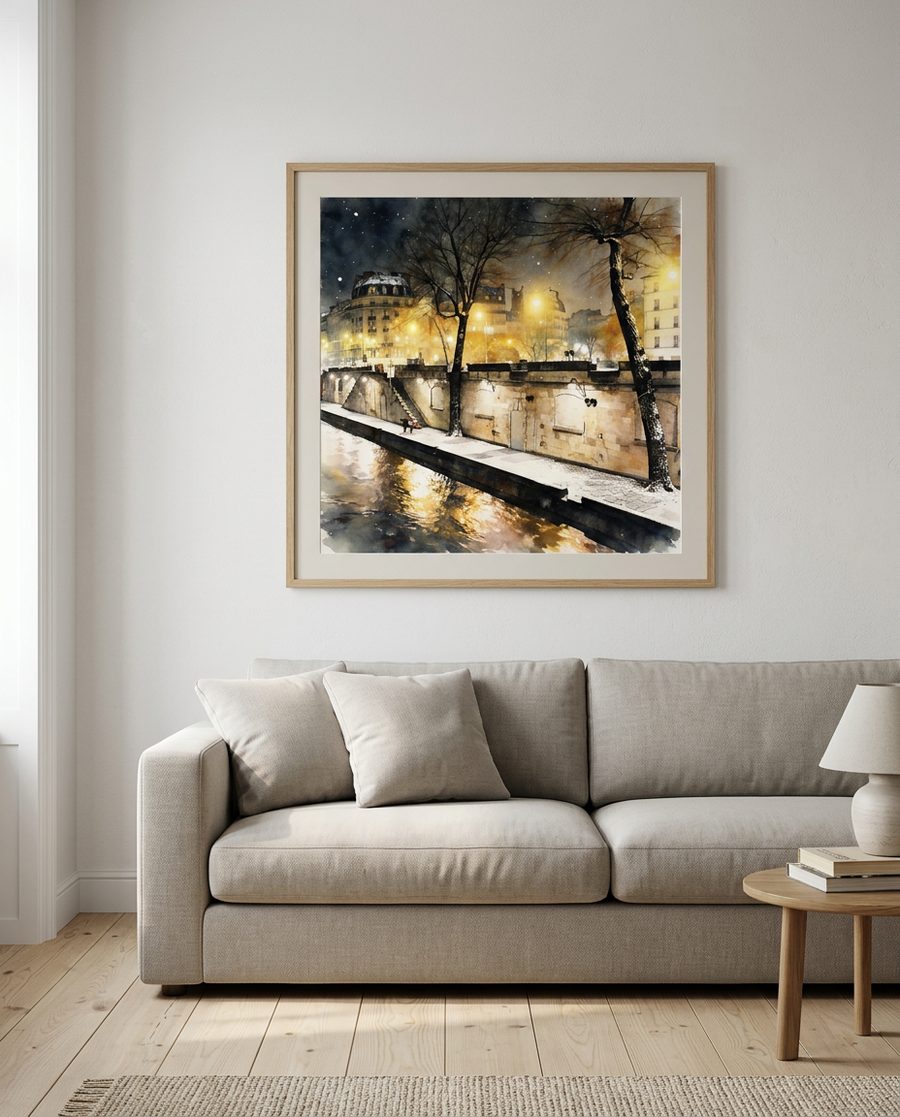
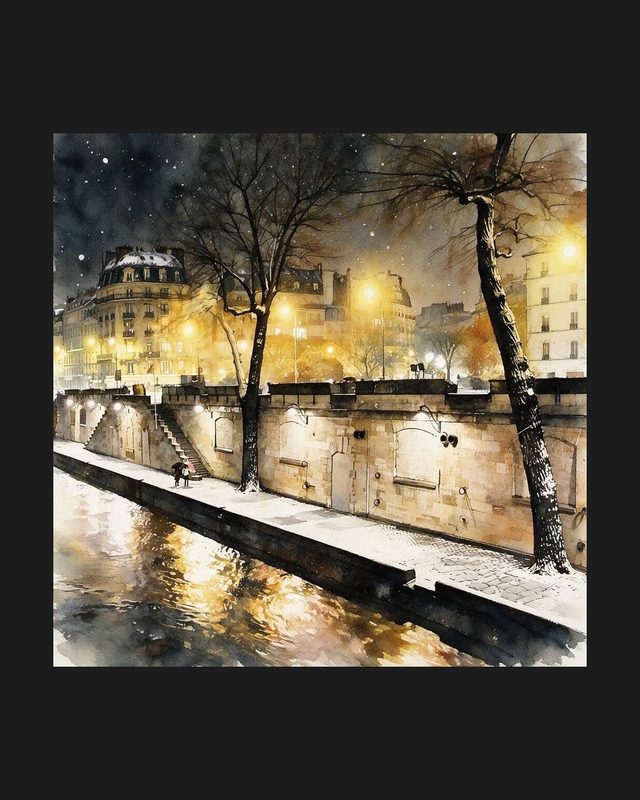
РаботыWorks
Загрузите работы с телефона — живопись, графику, фотографию, скульптуру, цифровые и AI-работы. Подпишите: название, год, размер, медиум, цена; добавьте детали и ракурсы.
Upload works from your phone — painting, works on paper, photography, sculpture, digital and AI art. Describe them: title, year, size, medium, price; add details and other views.
Юми смотрит на работу глазами её будущего зрителя: остановится ли он, задержится ли, что с ним произойдёт. Полный разбор — что держит, что поправить первым, PDF.
Yumi looks at a work through the eyes of its future viewer: will they stop, will they stay, what will happen to them. A full review — what holds, what to fix first, a PDF.
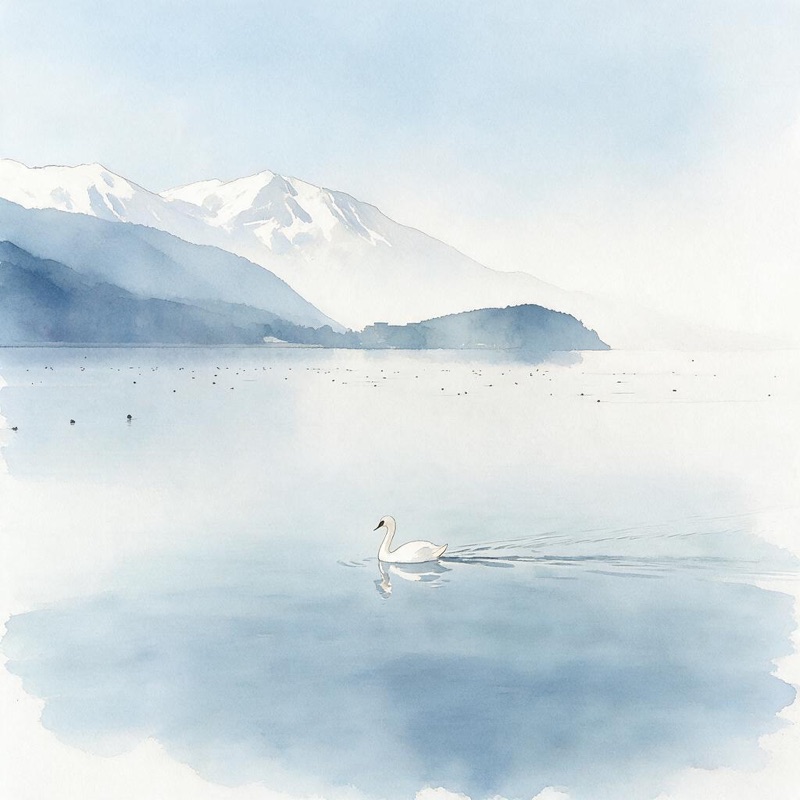
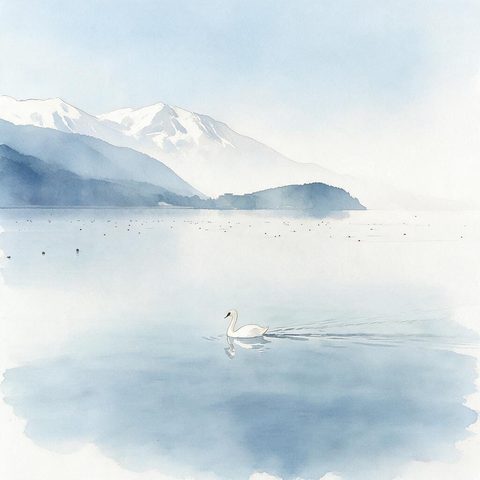
Работа держит тишиной. Синяя вода занимает почти половину кадра, горы и туман стоят далеко, а один белый лебедь с отражением и следом по воде даёт взгляду опору. Самое сильное решение здесь в нижней трети: заливка оставлена широкой, с неровным краем и светлыми полями по углам, поэтому пространство не закрыто и в него можно смотреть долго. Слабее всего сама нижняя заливка: без движения она может стать просто пустотой. По снимку работа читается как покой и простор с лёгкой холодностью, без сахара и нажима.
Читать полный разбор
Условия суждения
Смотрю по снимку 1024×1024. Это цифровая работа, поэтому размер в пикселях и есть её размер. Поверхность и отпечаток по снимку не видны: о заливке сужу по её виду на экране, а не по фактуре бумаги. Масштаб тоже не передаётся: лебедь на метровом отпечатке и на экране телефона — разные вещи.
Что видно
Вверху бледно-голубое небо, к горизонту оно светлее. Слева белые заснеженные вершины, под ними сине-серые предгорья. У самого горизонта, правее центра, низкий тёмный мыс с несколькими светлыми постройками у воды, похоже. Между берегом и нижним краем гладкая вода, на ней редкие мелкие тёмные точки у дальнего берега. В нижней трети, почти по центру, плывёт белый лебедь: голова влево, за ним короткая рябь, под ним отражение. Внизу широкая синяя заливка с неровным краем и светлыми полями по углам.
Форма и визуальный язык
Композиция. Линия горизонта лежит примерно на 43% высоты. Горы идут диагональю сверху слева вниз к мысу и приводят взгляд к центру. Лебедь стоит почти в центре по горизонтали и в нижней трети по вертикали. Взгляд идёт от гор к птице и дальше по ряби вправо.
Пустота, опора и жест. Вода занимает больше всего места, и эта пустота работает: она держит лебедя как центр тишины. Опора — горы слева, мыс справа. Соединяющий жест — тонкая рябь, которая тянется от лебедя к правому краю и не даёт птице висеть отдельно.
Линия. Почти всё растушёвано. Контур есть только у лебедя и у мелких точек. Граница гор мягкая, без жёсткого обвода. Линия скупа, поэтому один чёткий контур на размытом поле сразу притягивает взгляд.
Цвет. Палитра почти однотонная: холодные голубые, серо-голубые и белый, без тёплых цветов. Тональный диапазон широкий, от светлого неба до тёмного подножия гор и нижней заливки. Белый лебедь — единственный светлый акцент на синем фоне. Тепла нет, и это выбор, а не недостаток.
Фактура и поверхность. На снимке заметно, как заливка оставляет неровный край и светлые следы, будто краска растеклась. Туман между горами и водой мягкий, без резких границ.
Согласованность. Один язык на всём кадре: мягкие переходы, одна температура, границы даны размытой заливкой. Выбивается только чёткий контур лебедя, и это оправдано: он делает птицу точкой.
Средства и замысел. Художник замысел не назвал. Из самой работы видны тишина, простор и одинокая фигура на воде. Средства служат этому: пустота, холодная гамма, маленькая птица.
Как работа держит внимание
Останавливает ли сама, без давления? Да, мягко. Сначала взгляд ловит белого лебедя, потом растекается по туманной воде и поднимается к горам. Работа собирает: в кадре нет ничего, что требовало бы реакции.
Пытается впечатлить или самодостаточна? Самодостаточна. Лебедь мал, не позирует и не стоит в эффектном месте. Проверка «закрыть главное»: без птицы поле с горами, туманом и краем заливки всё равно живёт. Лебедь — центр, но поле держится и без него.
Что держит дольше первых секунд? Можно ли что-то убрать? Держит переход от неба к воде и туманная полоса, где горы растворяются. Держит край заливки: он не закрыт, и взгляду есть куда войти. Лишнего почти нет. Точки у дальнего берега спорны, но дают ритм дальней воде. Остальное на своём месте.
Видение или рассказ о нём? Видение. Работа не рассказывает о тишине, она показывает спокойную широкую воду и даёт её почувствовать. Ясная сцена, где лебедь плывёт, здесь не минус: она остаётся видом, а не историей.
Есть ли авторский почерк? Да, в выборе: где оставлена вода пустой, как закончен край заливки, что лебедь мал и только у него есть контур. Повторяется ли этот выбор во всей практике, по одной работе не определить.
Скажет ли новое через год? Вероятно. В такой тихой воде взгляд может снова идти по туману и ряби, и при повторной встрече видишь больше: точки у горизонта, границы гор, след. В работе можно побыть, а не только посмотреть.
Что держит: мотив или работа? Поровну, с перевесом в сторону работы. Мотив сильный: горы, озеро и лебедь сами по себе тянут. Тест названия: если назвать «лебедь на озере у гор», остаётся очень многое — переход от неба к воде, пустота, след, край заливки, туман. Работа добавляет свою тишину. Тест путеводителя применим, потому что название указывает на реальное место. Хорошая фотография берега потеряла бы растворённые горы и открытый край заливки.
Какое присутствие создаёт работа
Работа создаёт присутствие, в котором смотрящий успокаивается и собирается: шум уходит, вода широкая, взгляд не обязан ничего выбирать. Она даёт простор и ясность, и делает это без сахара и без нажима. Перекос здесь один: нижняя заливка может стать пустотой, если в ней ничего не происходит, кроме цвета. Холод тоже стоит назвать. Тепла почти нет, и тот, кому нужна близость, может почувствовать дистанцию.
Похоже, работа помогает собранности: после неё хочется смотреть на воду дольше и не спешить. Тишина держится не на мотиве, а на том, как она сделана, поэтому присутствие настоящее.
Культурное чтение. Знающий зритель прочтёт это как тихий пейзаж в дымке с одиноким лебедем: близко к традиции туши, где пустое пространство и интервал важнее сюжета.
Итог
Настоящее ли? Да. Работа держит тишиной и пустотой, и мотив её не подменяет: лебедь и горы усиливают, но не несут всё на себе. Риск — нижняя заливка, которая без движения может стать пустотой.
Присутствие. Работа даёт покой и простор с ясным холодком: собирает внимание, не давит и не приторна. Это присутствие на своей глубине — тихое, без расчёта на эффект, с пустотой, за которой стоит присмотреть.
Что дальше
Нижняя треть. Проверьте, держит ли внизу заливка взгляд сама. Если она только заполняет плоскость, нужна одна мягкая точка движения: рябь, блик или едва заметный переход тона, который ведёт от лебедя вниз или вбок. Новых деталей не добавляйте: нужна опора внутри того же языка, а не новый сюжет.
Точки у горизонта. Решите, что они значат. Если это птицы или лодки, пусть читаются как ритм дальней воды. Если они не работают, уберите их или сделайте тише, чтобы они не спорили с лебедем.
Холод. Холод здесь выбор, и его стоит сохранить. Если нужна близость, её может дать сам тон внутри синего, а не тёплый цвет.
Что остаётся за живым контактом
Вживую решится, держит ли нижняя заливка взгляд и каков реальный масштаб работы: от этого зависит, станет ли пустота простором или пустотой. Это лучше обсудить с опытным художником или арт-коучем, глядя на отпечаток.
The work holds through quiet. Blue water takes up almost half the frame, the mountains and mist stand far off, and a single white swan with its reflection and wake gives the eye something to rest on. The strongest decision is in the lower third: the wash is left wide, with an uneven edge and pale margins in the corners, so the space isn't closed and you can look into it for a long time. The weakest point is that same lower wash: with no movement in it, it can become mere emptiness. From the photo, the work reads as calm and openness with a slight coolness, without sweetness or pressure.
Read the full review
What I'm judging from
I'm looking at a 1024×1024 image. This is a digital work, so its size in pixels is its size. The surface and the print can't be seen from the image: I judge the wash by how it looks on screen, not by the texture of paper. Scale doesn't come through either: a swan on a metre-wide print and on a phone screen are different things.
What I see
At the top, a pale blue sky, lighter towards the horizon. On the left, white snowy peaks, with blue-grey foothills below them. Right at the horizon, right of centre, a low dark headland with a few light buildings by the water, it seems. Between the shore and the bottom edge, smooth water with a few small dark dots near the far shore. In the lower third, almost at the centre, a white swan swims: head to the left, a short ripple behind it, its reflection below. At the bottom, a wide blue wash with an uneven edge and pale margins in the corners.
Form and visual language
Composition. The horizon sits at about 43% of the height. The mountains run diagonally from the top left down to the headland and lead the eye to the centre. The swan is almost centred horizontally and in the lower third vertically. The eye moves from the mountains to the bird and on along the ripple to the right.
Emptiness, anchor and gesture. The water takes up the most space, and this emptiness works: it holds the swan as a centre of quiet. The anchor is the mountains on the left and the headland on the right. The connecting gesture is the thin ripple running from the swan to the right edge, which keeps the bird from hanging on its own.
Line. Almost everything is softened. Only the swan and the small dots have an outline. The edge of the mountains is soft, with no hard contour. Line is used sparingly, so the one sharp outline on the blurred field draws the eye at once.
Colour. The palette is almost monochrome: cool blues, blue-greys and white, no warm colours. The tonal range is wide, from the light sky to the dark foot of the mountains and the lower wash. The white swan is the only light accent on the blue. There's no warmth, and that's a choice, not a flaw.
Texture and surface. In the image you can see the wash leaving an uneven edge and pale marks, as if the paint had run. The mist between the mountains and the water is soft, with no sharp boundaries.
Consistency. One language across the whole frame: soft transitions, one temperature, edges given by a blurred wash. Only the sharp outline of the swan stands out, and that's justified: it makes the bird a point.
Means and intent. The artist didn't name an intent. The work itself shows quiet, openness and a lone figure on the water. The means serve this: emptiness, a cool palette, a small bird.
How the work holds attention
Does it stop the eye by itself, without pressure? Yes, gently. First the eye catches the white swan, then spreads across the misty water and rises to the mountains. The work gathers: nothing in the frame demands a reaction.
Does it try to impress, or is it self-sufficient? Self-sufficient. The swan is small, doesn't pose and isn't placed for effect. The “cover the centre” check: without the bird, the field with the mountains, the mist and the edge of the wash still lives. The swan is the centre, but the field holds without it.
What holds beyond the first seconds? Could anything be removed? The passage from sky to water holds, and so does the band of mist where the mountains dissolve. The edge of the wash holds: it isn't closed, and the eye has a way in. There's almost nothing extra. The dots near the far shore are debatable but give rhythm to the distant water. Everything else is in its place.
A vision, or a story about one? A vision. The work doesn't tell you about quiet; it shows calm, wide water and lets you feel it. A clear scene of a swan swimming isn't a minus here: it stays a view, not a story.
Is there an author's signature? Yes, in the choices: where the water is left empty, how the edge of the wash is finished, that the swan is small and only it has an outline. Whether these choices repeat across the whole practice can't be told from one work.
Will it say something new in a year? Likely. In water this quiet the eye can travel through the mist and ripple again, and on a second meeting you see more: the dots at the horizon, the edges of the mountains, the wake. It's a work you can spend time in, not just look at.
What holds: the motif or the work? Equally, leaning towards the work. The motif is strong: mountains, a lake and a swan pull on their own. The naming test: call it “a swan on a lake by the mountains”, and a great deal remains — the passage from sky to water, the emptiness, the wake, the edge of the wash, the mist. The work adds its own quiet. The guidebook test applies, since the title points to a real place. A good photograph of the shore would lose the dissolving mountains and the open edge of the wash.
What presence the work creates and what it changes in the viewer
The work creates a presence in which the viewer calms down and gathers: the noise falls away, the water is wide, the eye doesn't have to choose anything. It gives openness and clarity, and does so without sweetness and without pressure. There's one weak spot: the lower wash can turn into emptiness if nothing happens in it but colour. The coolness is worth naming too. There's almost no warmth, and someone who needs closeness may feel a distance.
It seems the work helps one gather: afterwards you want to look at the water longer and not hurry. The quiet rests not on the motif but on how it's made, so the presence is genuine.
Cultural reading. A viewer who knows the imagery will read this as a quiet landscape in haze with a lone swan: close to the ink-painting tradition, where empty space and interval matter more than subject.
Bottom line
Is it genuine? Yes. The work holds through quiet and emptiness, and the motif doesn't stand in for it: the swan and the mountains strengthen it but don't carry it all. The risk is the lower wash, which without movement can turn into emptiness.
Presence. The work gives calm and openness with a clear coolness: it gathers attention, doesn't press and isn't saccharine. It's a presence with its own depth — quiet, not calculated for effect, with an emptiness worth keeping an eye on.
What next
The lower third. Check whether the wash at the bottom holds the eye on its own. If it only fills the plane, it needs one soft point of movement: a ripple, a glint or a barely visible shift of tone leading from the swan downwards or sideways. Don't add new details: what's needed is an anchor within the same language, not a new subject.
The dots at the horizon. Decide what they mean. If they're birds or boats, let them read as the rhythm of the distant water. If they don't work, remove them or make them quieter so they don't compete with the swan.
Coolness. The coolness here is a choice, and it's worth keeping. If you want closeness, it can come from tone within the blue rather than from a warm colour.
What remains for live contact
Seeing it in person will decide whether the lower wash holds the eye and what the real scale of the work is: that decides whether the emptiness becomes openness or just emptiness. This is best discussed with an experienced artist or art coach, looking at the print.
СерииSeries
Соберите работы в серии и расставьте порядок — перетаскиванием, как на стене.
Group works into series and set their order — by dragging, as on a wall.
Юми разбирает серию целиком: какие работы держат, что повторяется, что взять в отбор и в каком порядке показывать. Обзор всех работ — что у вас сильнее всего и куда идти дальше.
Yumi reviews a series as a whole: which works hold, what repeats, what to keep in the selection and in what order to show it. An overview of all your works — what is strongest and where to go next.
Своя страницаYour page
Страница художника по адресу yumio.art/@имя: серии, избранные работы с ценами, «Об авторе», контакты. Фон чёрный или белый, по-русски или по-английски. Бесплатно. Покупатель пишет вам напрямую.
An artist's page at yumio.art/@name: series, selected works with prices, “About the artist”, contacts. Black or white, in English or Russian. Free. Buyers write to you directly.
Юми поможет написать тексты: девиз, о себе, абзац о каждой серии.
Yumi helps write the texts: a motto, a short bio, a paragraph about each series.
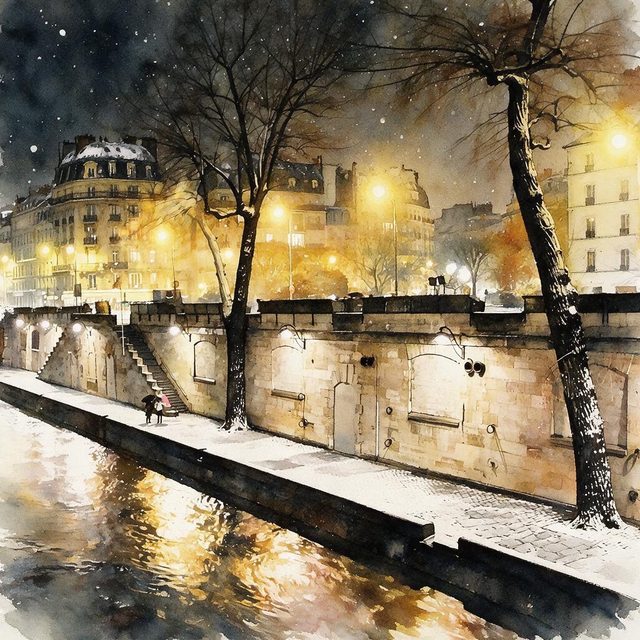
Контент для соцсетейContent for social media
Из работы, её деталей и этапов — карусель, Reels, истории и видео по фактуре, с ценой и «как купить». Визуализация работы в интерьере по её размеру. Отправить себе или сразу в свой Telegram-канал.
From a work, its details and stages — a carousel, Reels, stories and a texture video, with the price and how to buy. An interior mock-up of the work at its real size. Send it to yourself or straight to your Telegram channel.
Юми пишет подпись к посту по вашей работе — правьте и публикуйте.
Yumi writes the post caption from your work — edit it and publish.
Юми — ИИ-арт-наставникYumi — an AI art mentor
С Юми можно просто разговаривать: о качестве работ, о том, как они держат взгляд и что меняют в зрителе, о цене, о следующей серии, о том, что делать, когда не пишется. Она помнит вашу практику от разговора к разговору, ищет open call и галереи в интернете, рисует эскиз идеи.
You can simply talk with Yumi: about the quality of your works, how they hold the eye and what they change in the viewer, about price, the next series, what to do when nothing comes. She remembers your practice from one conversation to the next, searches the web for open calls and galleries, and sketches an idea.
ЦеныPrices
Без подписки: вы пополняете баланс звёздами Telegram, а каждый ответ списывает звёзды по фактическому объёму. Баланс и история списаний всегда видны в приложении.
No subscription: you top up a balance with Telegram Stars, and each answer deducts stars based on its actual size. The balance and spending history are always visible in the app.
| Сообщение ЮмиA message from Yumi | около 3 ⭐about 3 ⭐ |
| Полный разбор работыFull review of a work | около 35 ⭐about 35 ⭐ |
| Разбор серииSeries review | около 40 ⭐about 40 ⭐ |
| Контент для соцсетейSocial media content | 5–25 ⭐5–25 ⭐ |
| Визуализация в интерьере, эскизInterior mock-up, sketch | 20 ⭐ |
| Своя страницаYour page | бесплатноfree |
| На стартеTo start | 100 ⭐ бесплатно100 ⭐ free |
| ПополнениеTop-up | 100 · 250 · 500 · 1000 ⭐ |
Первое сообщение после перерыва больше часа — до 20 ⭐. Перед каждым дорогим действием Yumio называет цену.The first message after a break of more than an hour is up to 20 ⭐. Before every costly action Yumio tells you the price.
ЧестноHonestly
Юми — ИИ. Она видит работу по снимку, а живая вещь действует сильнее: фактура, масштаб и свет решаются вживую. Поэтому Юми прямо говорит, чего по снимку не видно, а окончательное суждение оставляет живому разговору с опытным художником или арт-коучем.
Yumi is an AI. She sees a work from a photo, and the real thing acts more strongly: texture, scale and light are settled in person. So Yumi says plainly what the photo can't show, and leaves the final judgement to a live conversation with an experienced artist or art coach.
Yumio не рисует работы за вас и не учится на ваших работах: эскизы и визуализации — наброски по вашей просьбе. Права на работы остаются у вас.
Yumio doesn't make works for you and doesn't learn from your works: sketches and mock-ups are drafts at your request. Your works remain yours.
МетодThe method
Yumio работает по методу арт-коуча Александра Сташенко. Во Франции он изучал, как дизайн и искусство действуют на человека, — прикладную нейроэстетику, и проверял это на практике: в фотографии, каллиграфии и икебане. Добавил к этому опыт в нейропсихологии и работе с состояниями — так сложился метод анализа работ и развития художественной практики.
Yumio works by the method of art coach Alexander Stashenko. In France he studied how design and art act on a person — applied neuroaesthetics — and tested it in practice: in photography, calligraphy and ikebana. He added his experience in neuropsychology and in working with inner states — and this grew into a method for analysing works and developing an artistic practice.